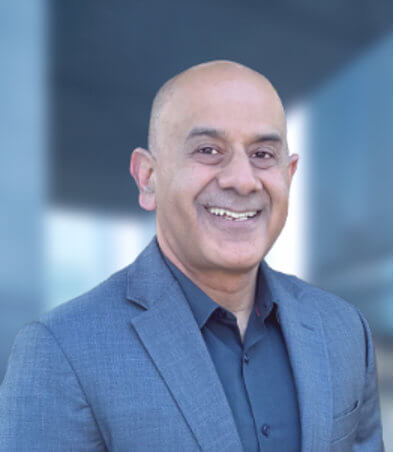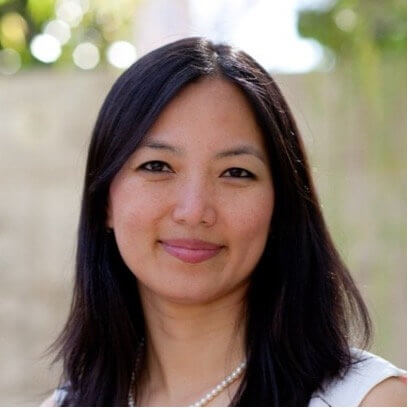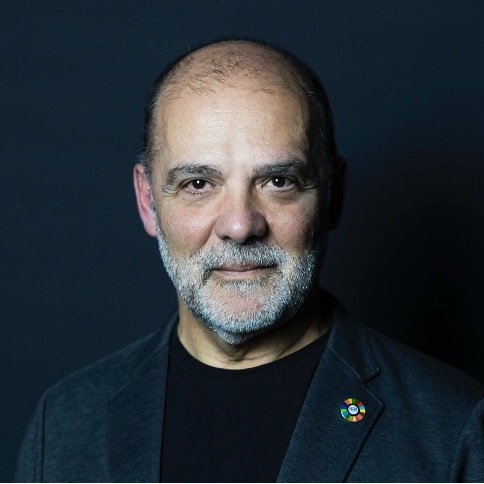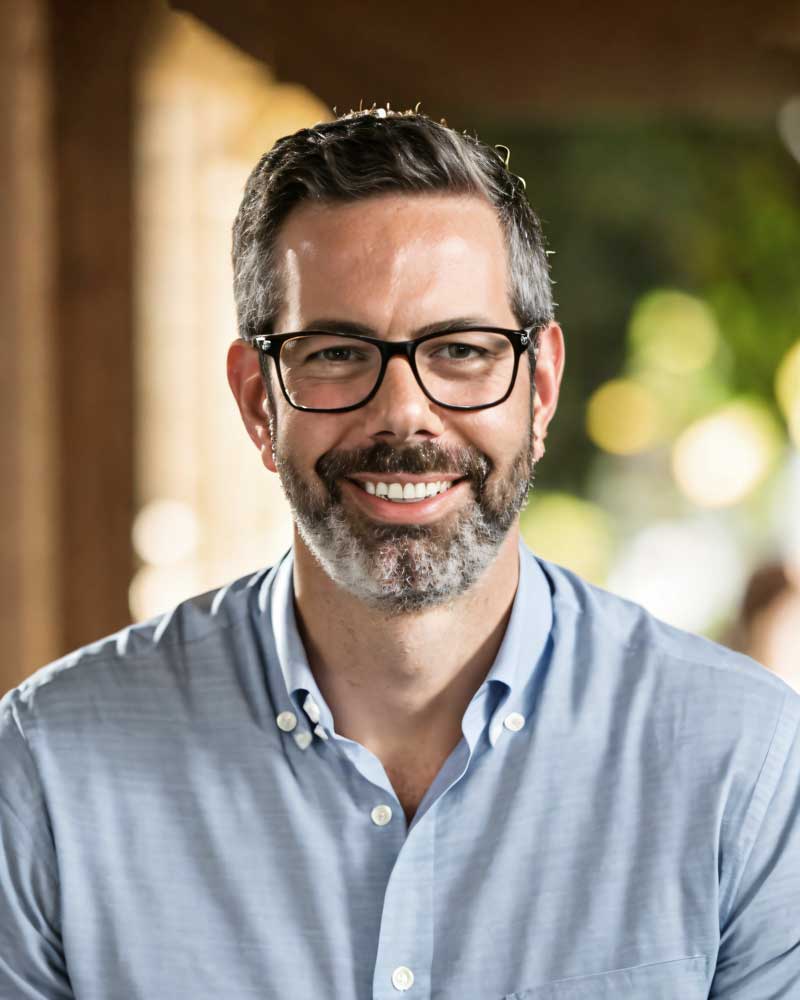

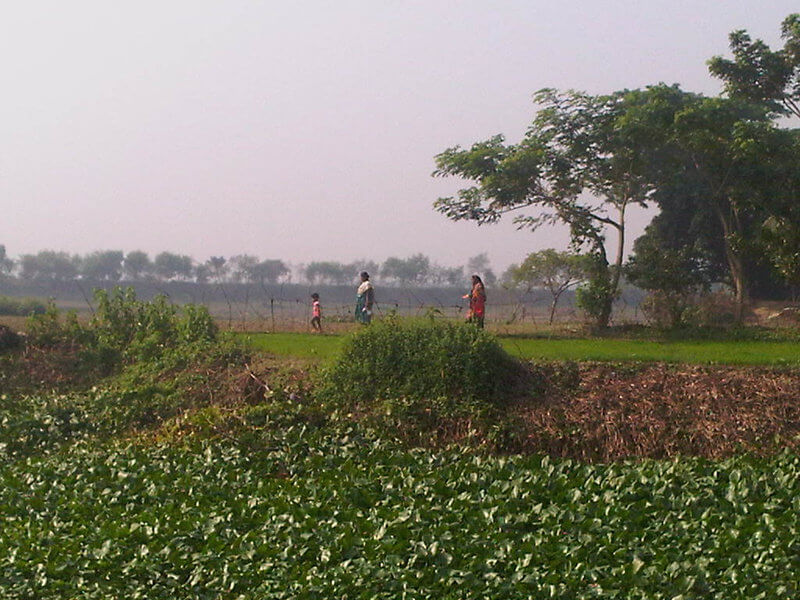

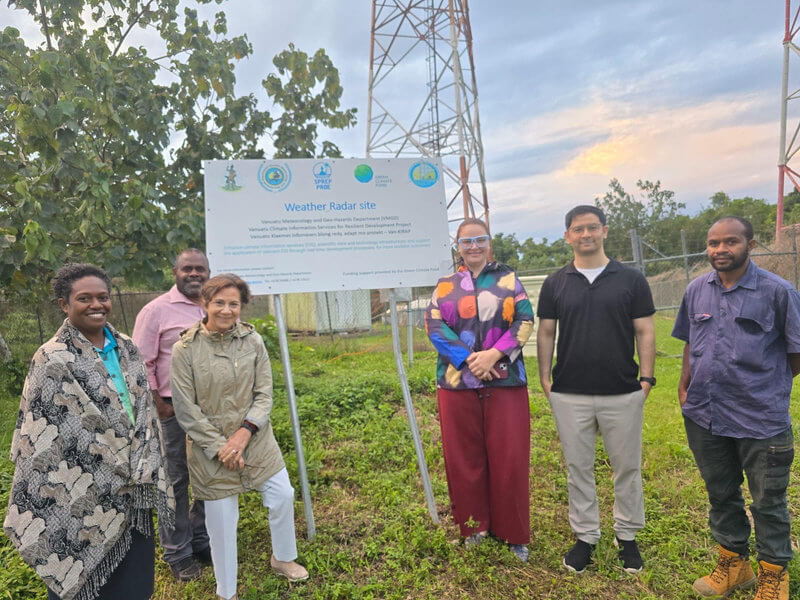
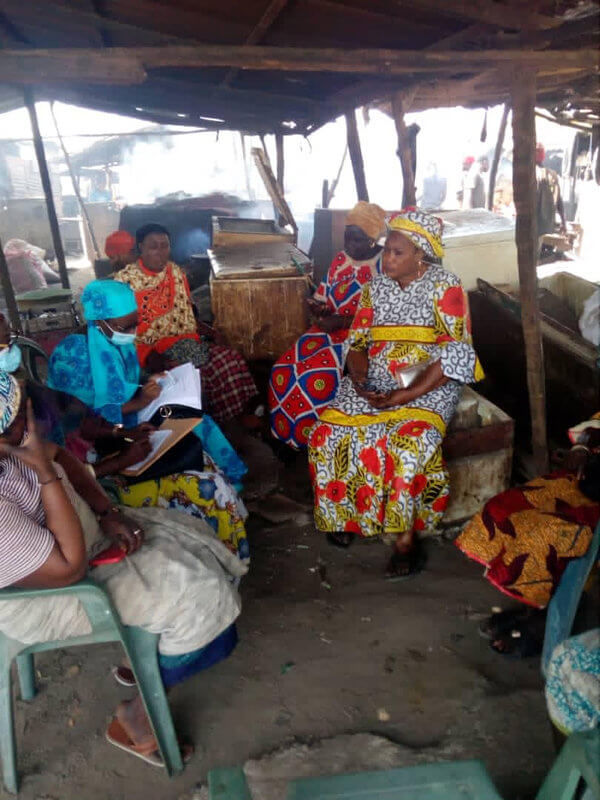
People living with disabilities (PLWD) are among the poorest in The Gambia and have been largely overlooked in the development agenda. The absence of legal frameworks, supportive institutions, and access to basic services for people with disabilities has hindered their community participation and ability to sustain their livelihoods. Under the leadership one of GIES’ senior executives, interventions were designed and implemented at the macro, meso, and micro levels, intentionally building the ecosystem for PLWD inclusion and economic empowerment. Localizing the UN Convention on the Rights of People Living with Disabilities, the leading normative framework that identifies the societal barriers to inclusion, led to The Gambia’s adoption of its first ever national disability policy. Trust was built via partnerships and resources were mobilized for innovative livelihood programs. Outcomes included accessibility upgrades to public buildings and banks, improved access to education and healthcare, and increase in PLWD economic participation—strengthening livelihoods, autonomy, and dignity.
Global Inclusive Economy Society
Act-Tank
A catalyst for evidence-based solutions that promote rural
community resilience and thriving
Rural Opportunity Catalyst
Connecting communities with opportunities — and opportunities with communities
Learn More
Global Expert Network
Co-creating financially viable resilience solutions
Learn MoreABOUT GIES
The challenge
1.5 billion people live in multidimensional deprivation, most of them in rural communities. Rural places are often disconnected in an era of unprecedented interconnectedness—even as global economic, technological, demographic, and environmental forces shape their lives more than ever.
Young people leave in search of opportunity. Communities decline despite their rich human, cultural, and natural assets. Many of the tools intended to support them were designed more than half a century ago and are too linear, fragmented, and top-down to tackle today’s interconnected challenges.
Technology too often widens the opportunity gap rather than closing it. AI in particular poses a profound risk of exclusion. When rural communities are underrepresented in data, conventional AI may mistake their invisibility for a lack of demand, capacity, or investment potential—quietly perpetuating decades of disadvantage.
Our response
Expertise That Sets Us Apart
GIES brings together deeply experienced leaders who understand the realities, assets, and cultural contexts of rural communities. Our expertise extends across finance, economics, technology, capital mobilization in underserved markets, AI and data solutions designed for rural realities, and policy and institutional design that works in practice.
This combination of local understanding, global experience, and cross-disciplinary expertise enables us to see connections that conventional approaches often miss—and to translate complex challenges into practical, financially viable pathways.
Our Approach
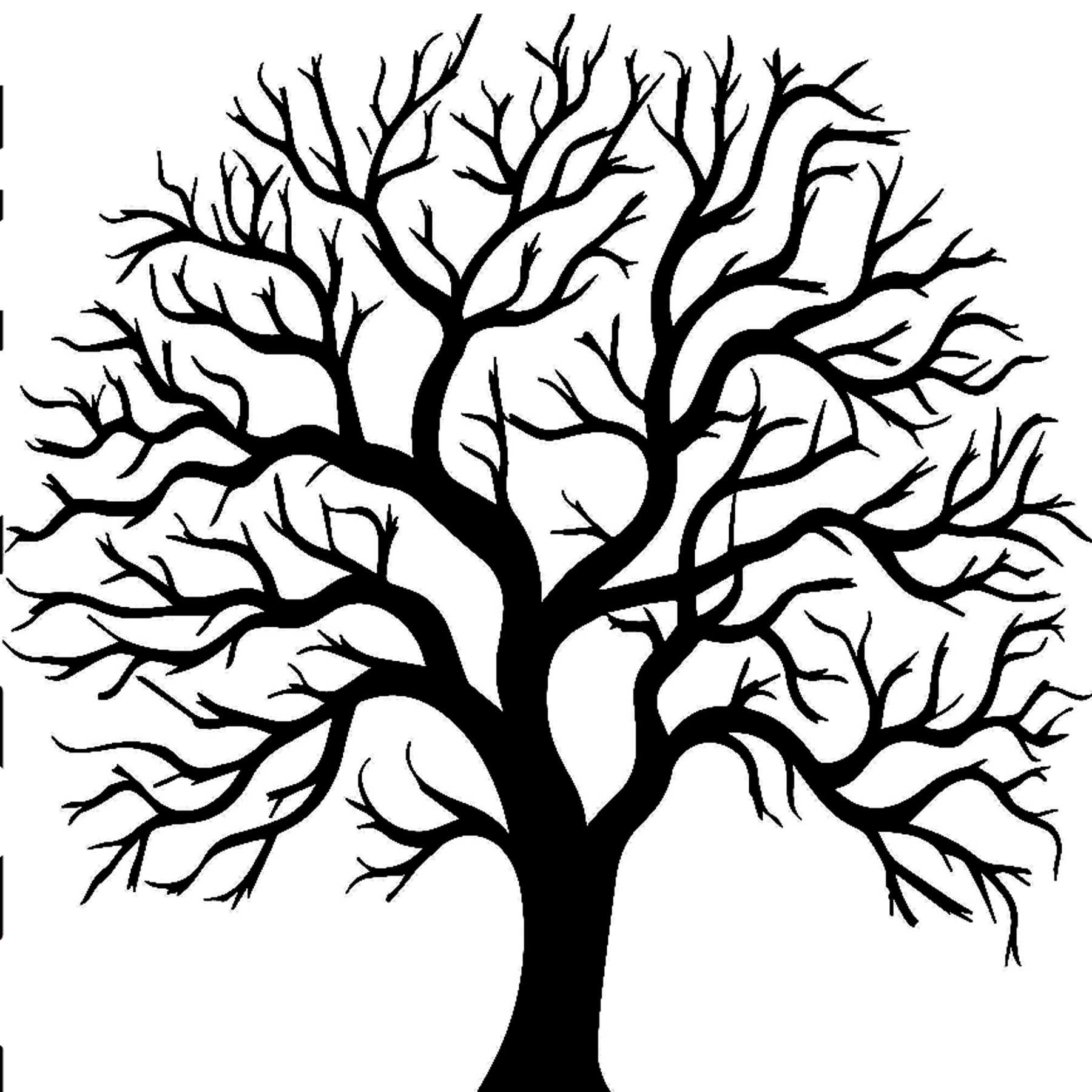
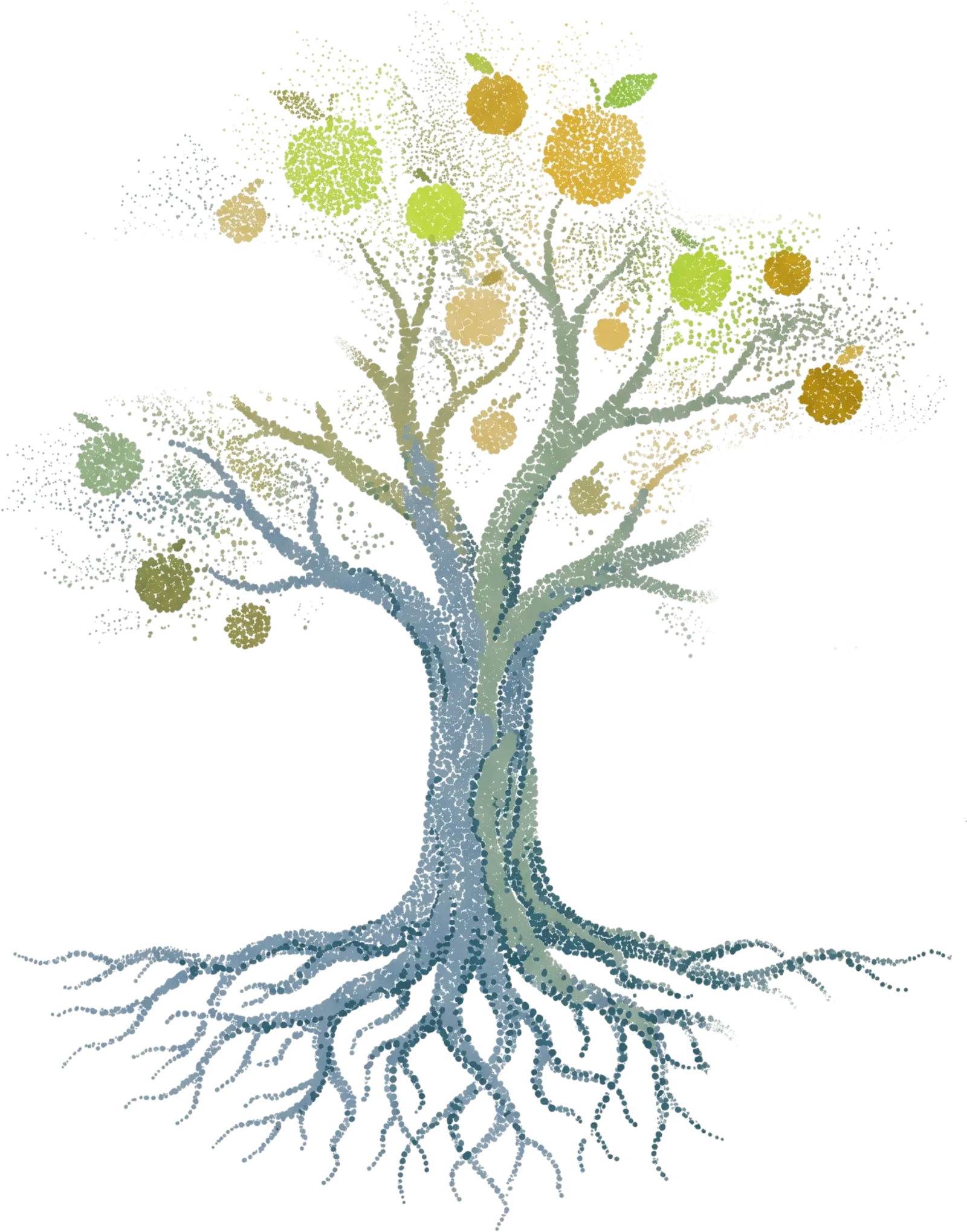
A ground-up paradigm for rural resilience
Click on each section of the tree to explore the different elements of the GIES Paradigm

Our Experts
30 years average leadership experience in rural resilience, 62 countries where we've led projects
Our team does not only have a nuanced understanding of rural communities and cultures but also has deep expertise in finance, technology, economics, capital mobilization in hard places, AI and data solutions built for rural realities, and policy and institutional design that holds up in practice.
The 12D Resilience Framework
An evidence-based way to think about resilience in an interconnected world.
The 12 Dimensions of a Good Life ("12D") — with 36 subdimensions — is our actionable, quantifiable framework for systems thinking about resilience.
What We Do
Two lines of work that reveal hidden opportunities.
Resilience Mapping. Eight complementary mapping strategies that together surface a community's conditions, assets, gaps, barriers, opportunities, and potential partners — gathering primary and secondary data and best practices as they go.
Resilience Toolkits. Tested tools that empower community-led action — and, in the process, collects granular local data and insights that top-down efforts are unable to capture.
Lasting Resilience
A system that keeps finding opportunity.
The key isn't simply more data — it's making sense of fragmented evidence. Our Opportunity Cultivation System integrates expert, community, and artificial intelligence to identify community-specific opportunities, risks, partners, and financing on an ongoing basis.
By trading top-down silos for a ground-up, integrated approach, we unlock rural opportunities as dynamic and adaptable as the communities themselves.
Our Outputs
Not information for its own sake — action-ready intelligence.
Rural Resilience Atlas — an interactive data dashboard for all stakeholders that aggregates community scale primary and secondary resilience relevant data
Deep transdisciplinary expert analysis - analysis of the Atlas data and relevant global experiences and best practices, and viability assessment of potential resilience solutions.
Participatory Community StoryMaps — a community facing interactive and participatory site based on the Atlas and deep expert analysis.
How we grow resilience from the ground-up
We co-create financially viable resilience solutions grounded in communities’ lived realities and informed by local data, global best practices, and technological, policy, and financial innovations. At the same time, we build community-scale data and evidence that make a place — and its unique assets — visible to AI, markets, and investors. We work in partnership with for-profit companies, nonprofits, governments, funders, NGOs, faith-based organizations, and the “missing middle”.
Our Process
Aggregate
GIES aggregates data, scientific evidence, experiences and best practices
Analyze
Catalyze
Leveraging data, analysis and its global network, GIES catalyzes sustainable solutions in communities around the world
Our work
Use Cases
GIES’ leadership brings decades of experience overcoming the barriers that prevent proven resilience solutions from reaching scale. The following examples of our work span both earlier initiatives led by our founders and ongoing projects being advanced through GIES. Click through below to learn more.
Tunisia Inclusive Economy
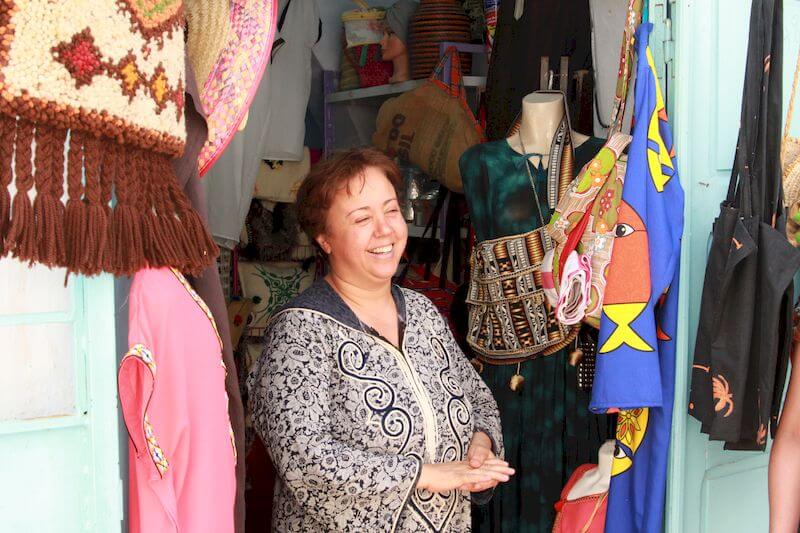
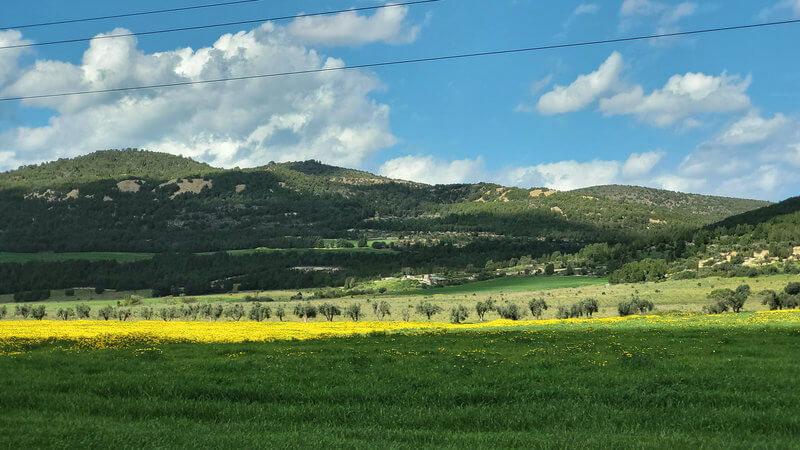
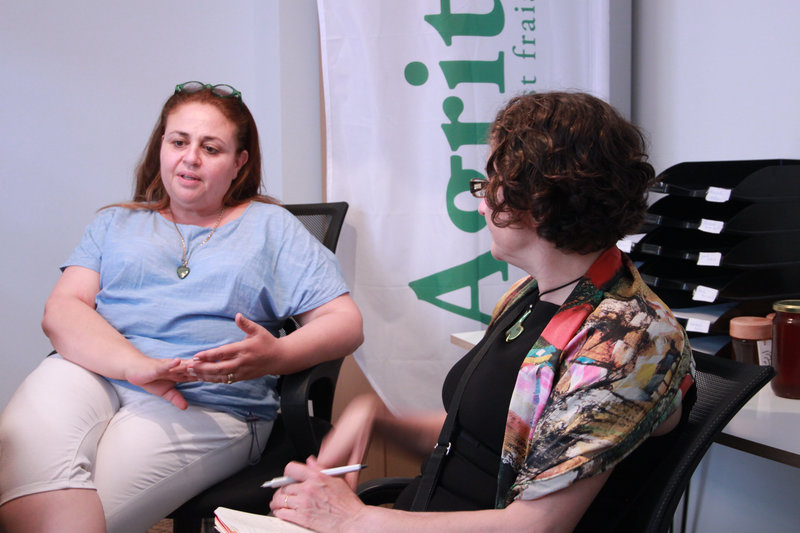
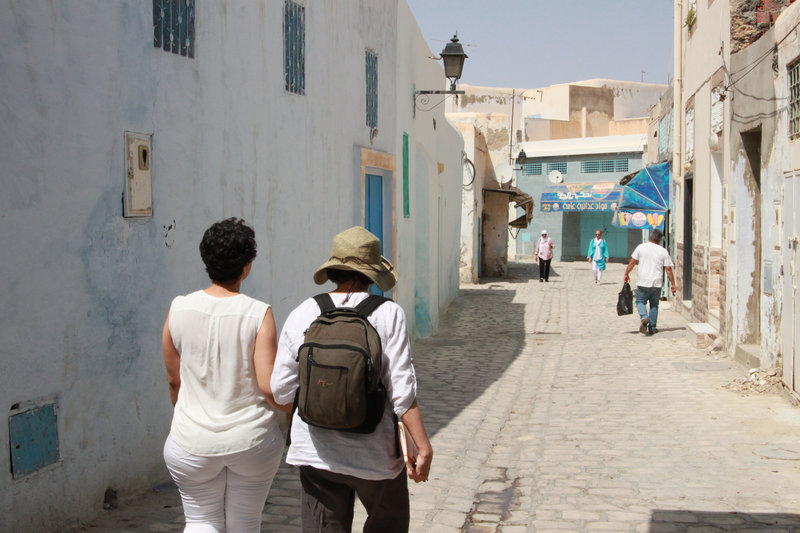
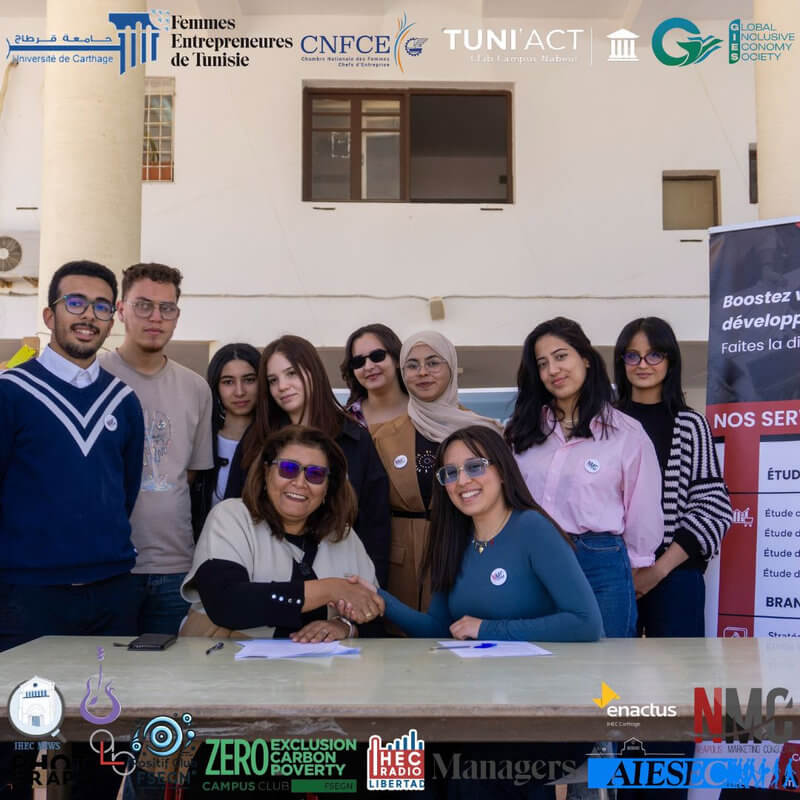
North Africa faces a growing youth opportunity crisis. While entrepreneurship is widely viewed as the most promising pathway to economic opportunity, new ventures have not emerged at the scale needed. Together with its partners, GIES set out to better understand the aspirations of youth and women, currently under-represented among entrepreneurs, the barriers they face and to co-design solutions to address them. Through data aggregation and geospatial analysis the map of the ecosystem started taking shape. With the help of GIES’ CatalystCafe (formerly ImpactNights) tool, GIES and its partners convened key stakeholders to better understand the ecosystem. GIES WishMapping events have taken place across Tunisia, capturing the aspirations and lived experiences of youth and women entrepreneurs. In order to identify possible economic opportunities, GIES has also mapped the value chains of sectors with strong comparative advantages, such as artisanal products and olive oil. In a first of its kind program, in collaboration with several partners, women engineering students interviewed artisans across Tunisia, learned about global value chains, and developed technology-enabled solutions for artisan market access. The program even earned the recognition of the then Tunisian Prime Minister. This initiative is ongoing but it has already engaged thousands of youth and women entrepreneurs, artisans, and ecosystem stakeholders.
Bridging the Vision Gap in Texas
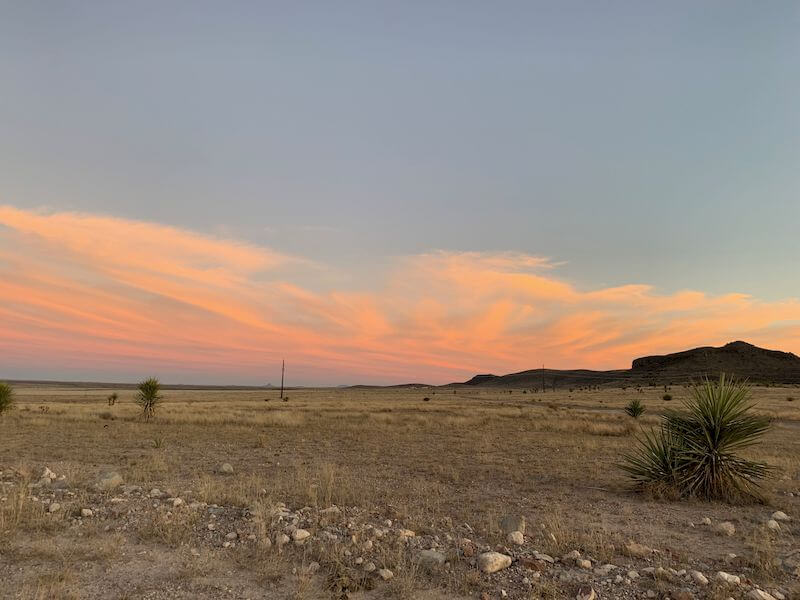
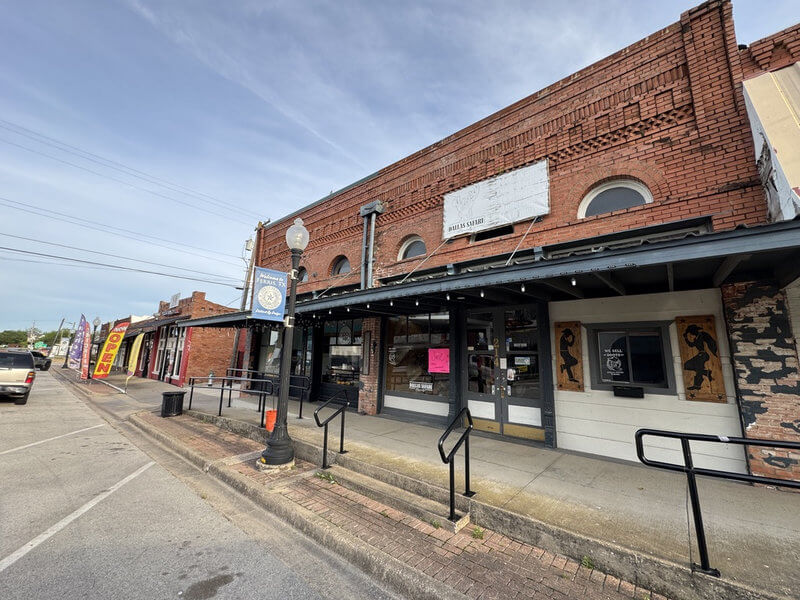
Vision impairment is estimated to cost the global economy $411 billion each year by limiting people’s access to education, employment and other opportunities. Millions of Texans live with eye conditions that can cause irreversible vision loss. Timely diagnosis and treatment—including access to emerging therapies and clinical trials—can be critical to slowing or preventing disease progression. Yet access to vision care is severely limited across rural Texas with 111 of the state’s 254 counties having no vision care providers. The Bridging the Vision Gap initiative aims to address this challenge. GIES has aggregated community-level data, mapped the vision-care ecosystem and, with its partners, developed an interactive Rural Resilience Atlas powered by current data and evidence. Users can overlay datasets from trusted sources to explore patterns in vision impairment, healthcare access and community need. Through resilience mapping and transdisciplinary expert analysis, GIES and its partners are co-designing a financially viable, scalable approach to bringing vision care to underserved communities. The initiative is ongoing.
Small Business Supply Chains
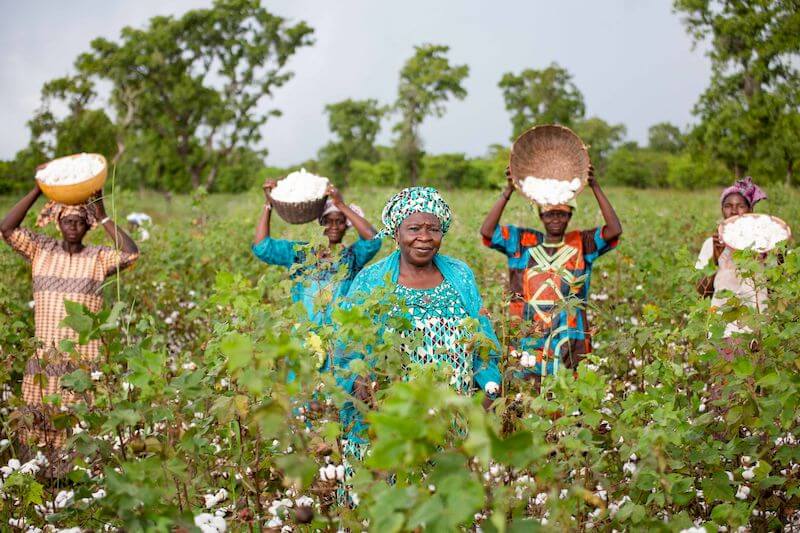
GIES addresses the challenges facing rural communities that depend on agricultural value chains, where farmers are vulnerable to market volatility, climate shocks, limited financing, weak institutions, and poor market access. By mapping the entire ecosystem of producers, buyers, financiers, and public actors, GIES co-designs commercially viable financing and market-access solutions that attract private capital into underserved rural economies. These solutions include risk-sharing facilities, borrowing-base structures, pre-export finance, working-capital facilities, market-linkage platforms, and input distribution systems. Through these approaches, GIES founders have helped reach approximately 1 million farmers, supported 15,000 grain farmers in Moldova, and improved the livelihoods of about 296,000 cotton farmers in Mali. The resulting impacts include strengthened rural resilience, increased food security, sustained agricultural exports, and greater mobilization of private-sector investment in rural communities.
Unlocking Energy-Efficiency Investment in Central and Eastern Europe
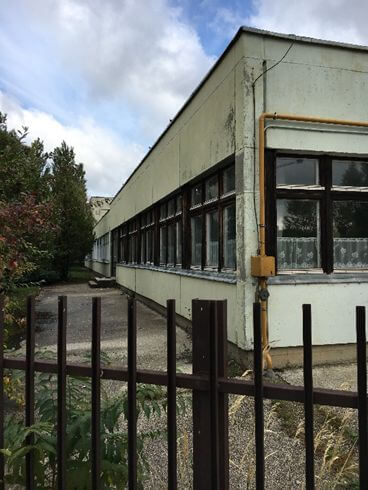
One of GIES’ areas of focus for improving resilience is through resource efficiency. After energy-price liberalization, many households, schools and rural municipalities struggled with high utility costs. Energy efficiency was the obvious solution, but the barriers were systemic. Those who most needed improvements often could not afford them. Banks did not lend to them. Through transdisciplinary analysis, the key barriers were mapped. Some of GIES’ founders co-designed a pilot that demonstrated the business case for all parties, followed by a financial structure that unlocked lending for energy-efficiency — the first example of blended finance in development banking. But financing alone was not enough. Scaling required evidence, demand aggregation, value-chain mapping, ecosystem-building and related trust building. The result was a market-building model that helped finance and implement the energy retrofits of countless homes and 700 rural schools. The approach was later adopted in other regions and helped strengthen the resilience of households, small businesses and rural municipalities.
Building an Inclusive Housing-Finance Market in Mexico
Decent housing and access to financing are some of the basic needs that GIES believes need to be addressed as we aim to grow resilience. In the early 2000s, Mexico’s underdeveloped mortgage market left many low- and middle-income families without access to long-term housing finance. One of GIES’ founders led the effort to bring together a pioneering mortgage lender that served low-income households, investors and rating agencies to help launch Mexico’s first mortgage-backed security. By enabling lenders to recycle capital into new mortgages, the initiative helped expand affordable housing finance and helped demonstrate that housing finance for low-income households can be a viable business. This experience exemplifies the approach GIES brings to its work today: convening diverse stakeholders and integrating social, institutional, policy and financial perspectives to co-create scalable solutions that are both impactful and financially viable.
Our Experts
The Team


Our Origin
History
Over the years, GIES’ founders were frequently approached by social entrepreneurs seeking everything from information, data, and proven practices to partners and funding for their communities. At the same time, solution providers, innovators, and funders came to us with valuable resources and a genuine desire to help, but few meaningful connections to the communities they hoped to serve.
What initially appeared to be a series of individual requests revealed a much larger systemic gap: there was no integrated platform connecting communities with the knowledge, resources, solutions, and opportunities needed to advance locally led change.
GIES was founded to bridge that gap—connecting communities with opportunities and opportunities with communities, while harnessing data and emerging technologies to accelerate ground-up impact.
Philosophy
Contact Us
Follow us on social media
Banjul | Brussels | Budapest | Chicago | Dallas | Lisbon | London | Ottawa | Sydney | Tunis | Washington DC